
Melasma and dark patches
Questions in this group, one step at a time
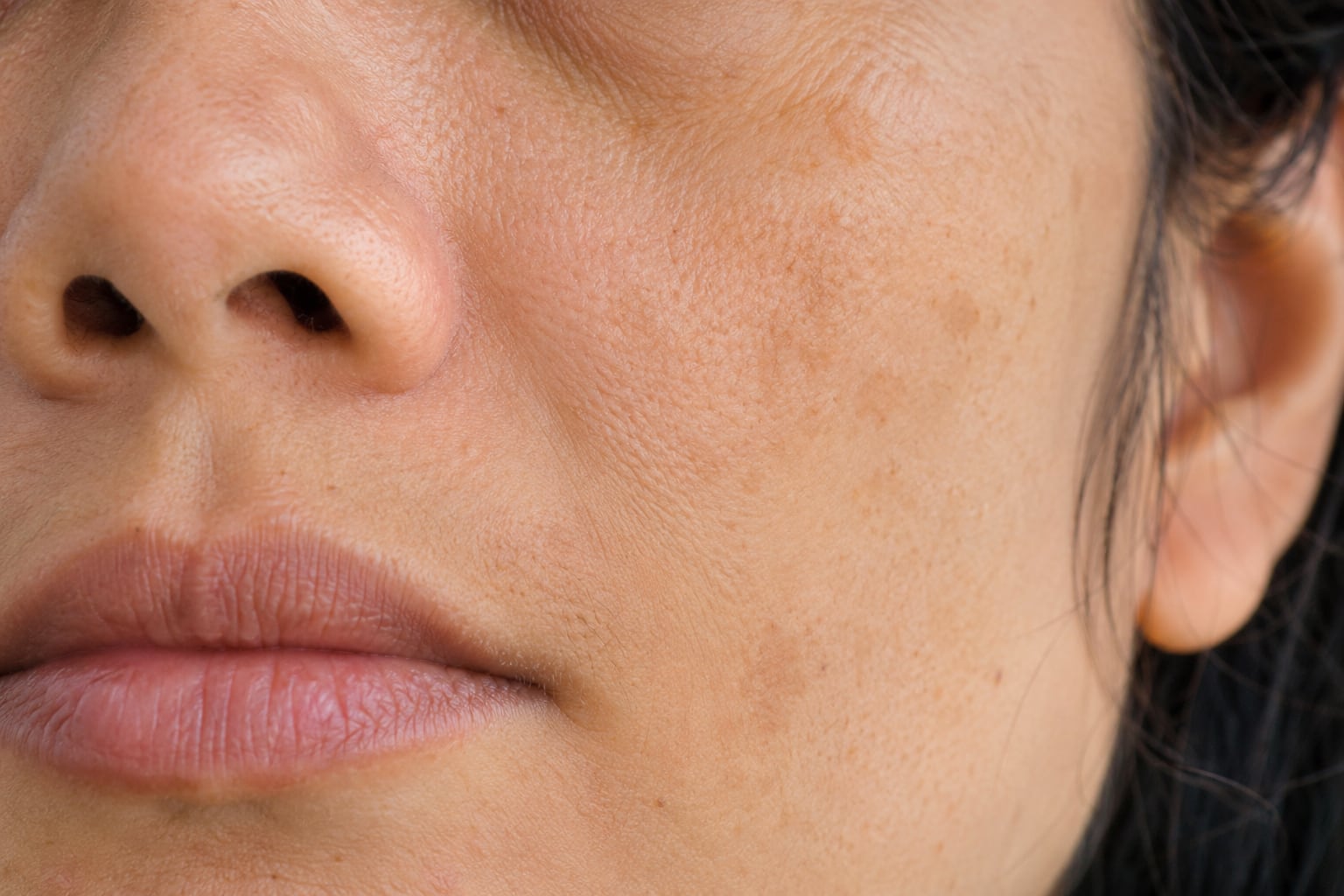
When a pitch in Ann Arbor, Michigan makes a promise about dark patches, read what the paperwork claims about a cause or a cure and find the clause that supports it.
What melasma is, in the sources' words
www.aad.org describes it plainly: "Melasma is a skin condition that causes darker spots to appear when the cells that give your skin color — melanocytes — are more active." A paper indexed on pmc.ncbi.nlm.nih.gov opens with a clinical definition: "Melasma is a chronic, acquired disorder of focal hypermelanosis."
Both sentences define the condition. Neither one promises that a treatment will clear it, so any clearing language in an agreement should point to a clause of its own.
Questions, grouped by the clause they turn on
Both questions here turn on who the condition affects, which is the clause that decides whether a treatment plan was written with you in mind.
Where to read about causes and care
For a cause-focused reference, read Melasma: Causes before you accept a provider's explanation. For wider skin care context, Harvard Health's piece on minimizing age spots, wrinkles and undereye bags sits next to it as a second view.
The claim most worth a second look
If an agreement or a pitch states what caused your patches, ask for the clause or the source behind that statement. A cause that appears in conversation but nowhere on the page is the claim to recheck.